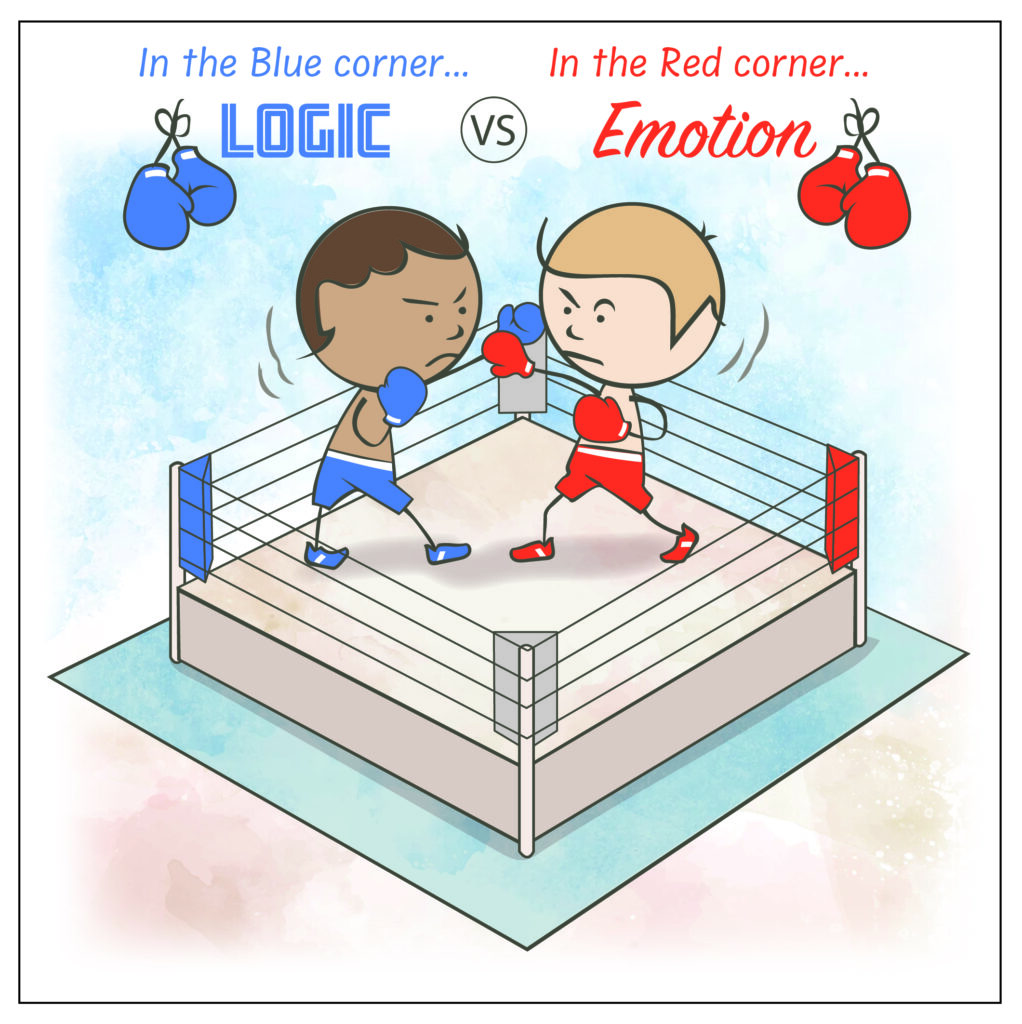
Logic versus Emotion
In family-owned businesses, the interplay between logic and emotion is often a defining characteristic—and a potential source of tension. Families are inherently emotional systems, shaped by bonds of love, shared history, and mutual aspirations. Yet many of the technical solutions presented to address their challenges focus solely on logical reasoning, sidelining the emotional complexities that underpin decision-making. This mismatch can lead to resistance, delays, or even the outright rejection of solutions that might otherwise be effective.
As family businesses in the UK grapple with recent changes to inheritance tax (IHT) rules, these dynamics are becoming increasingly relevant. Decisions surrounding succession and transition planning, for instance, often appear grounded in the logical world of law and tax. But beneath the surface lie deeper emotional currents tied to ownership, identity, and purpose. Understanding and addressing these emotional dimensions is not just advisable—it’s essential for crafting solutions that truly work for the family as a whole.
The Logic vs. Emotion Dichotomy
At its core, the tension between logic and emotion in family businesses arises because the business itself straddles two distinct worlds. On one hand, it is an economic entity that demands strategic planning, financial acumen, and operational efficiency. On the other hand, it is a deeply personal enterprise that embodies the values, aspirations, and legacy of the family.
When families face complex decisions—such as how to transition leadership, divide ownership, or respond to tax changes—logical solutions often come to the forefront. These might include creating trusts, restructuring ownership, or implementing governance structures. While these approaches may be technically sound, they can fail to gain traction if they conflict with unspoken emotional concerns.
For example:
- Identity and Ownership: For many family members, the business is more than a source of income; it’s a core part of their identity. The thought of selling or restructuring can feel like losing a part of themselves.
- Legacy and Purpose: Decisions about succession are often fraught with concerns about preserving the founder’s vision, honouring past sacrifices, and ensuring the family’s values endure.
- Fairness and Relationships: Dividing assets or leadership roles can evoke feelings of resentment or favouritism, which are rarely addressed by purely logical frameworks.
The Cost of Overlooking Emotions
When emotional factors are ignored, families may experience:
- Resistance: Even the most carefully constructed plans can face pushback if they don’t align with family members’ values or emotional needs.
- Delays: Unresolved emotional tensions often lead to procrastination, with families avoiding critical decisions until it’s too late.
- Conflict: Suppressed emotions can escalate into open disagreements, undermining trust and collaboration within the family.
- Missed Opportunities: By not addressing emotional concerns upfront, families may fail to identify creative solutions that balance both logical and emotional needs.
The Importance of Emotional Clarity
Before diving into technical solutions, it’s vital for families to gain clarity on the emotional aspects of their decisions. This process involves:
- Exploring Values and Priorities: What does the business mean to each family member? What are their hopes and fears for the future?
- Understanding Relationships: How do family dynamics influence decision-making? Are there unresolved tensions that need to be addressed?
- Defining Purpose: Why does the family want to keep or transition the business? What legacy do they hope to leave behind?
By addressing these questions, families can create a strong foundation for making decisions that align with both their logical goals and emotional realities.
Practical Steps for Balancing Logic and Emotion
Create a Safe Space for Dialogue: Encourage open and honest conversations where family members can express their thoughts and feelings without fear of judgment. This might involve working with a neutral facilitator who can guide discussions and ensure everyone’s voice is heard.
Acknowledge Emotional Realities: Recognise that emotions are not obstacles to be overcome but valuable insights that can inform better decision-making. Naming these emotions—whether it’s fear, pride, or hope—can help diffuse tension and build understanding.
Integrate Emotional Insights into Planning: Once emotional clarity is achieved, use these insights to shape technical solutions. For instance, a family might design a succession plan that reflects shared values or develop governance structures that accommodate different perspectives.
Seek Expert Guidance: Combining technical expertise with an understanding of family dynamics requires a nuanced approach. Partnering with advisers who appreciate the interplay between logic and emotion can make a significant difference.
A Timely Opportunity for Family Businesses
The recent changes to IHT rules in the UK present both a challenge and an opportunity for family businesses. On one hand, they necessitate careful planning to ensure compliance and minimise tax liabilities. On the other hand, they provide a timely impetus for families to reflect on their broader goals and aspirations.
Rather than viewing succession and transition planning purely through the lens of tax and legal considerations, families can use this moment to:
- Revisit their shared vision and values.
- Strengthen relationships and build trust.
- Develop a roadmap that integrates both logical and emotional priorities.
The Value of a Holistic Approach
Addressing the emotional aspects of decision-making is not just about avoiding conflict or resistance; it’s about unlocking the full potential of the family business. When families take the time to understand and align their emotions with their goals, they create:
- Stronger Buy-In: Solutions that resonate on both a logical and emotional level are more likely to gain widespread support.
- Enhanced Resilience: Families that address emotional tensions proactively are better equipped to navigate future challenges.
- A Lasting Legacy: By balancing logic and emotion, families can create solutions that honour their past while securing their future.
Let’s Start the Conversation
Navigating the intersection of logic and emotion in family businesses is no small task, but it’s a journey worth taking. If your family is facing important decisions about succession, transition planning, or the impact of IHT changes, I’m here to help.
With years of experience working with family-owned businesses, I understand the unique challenges and opportunities they face. Together, we can create a tailored approach that respects your family’s values, addresses emotional concerns, and delivers practical, effective solutions.
To learn more or schedule a conversation, please don’t hesitate to reach out. Let’s ensure your family’s legacy is not just preserved but strengthened for generations to come.